Aligning Basketball Substitution Patterns with Equine Obstacle Metrics for Layered Accumulator Structures
Eden Coleman · Oct 18, 2026
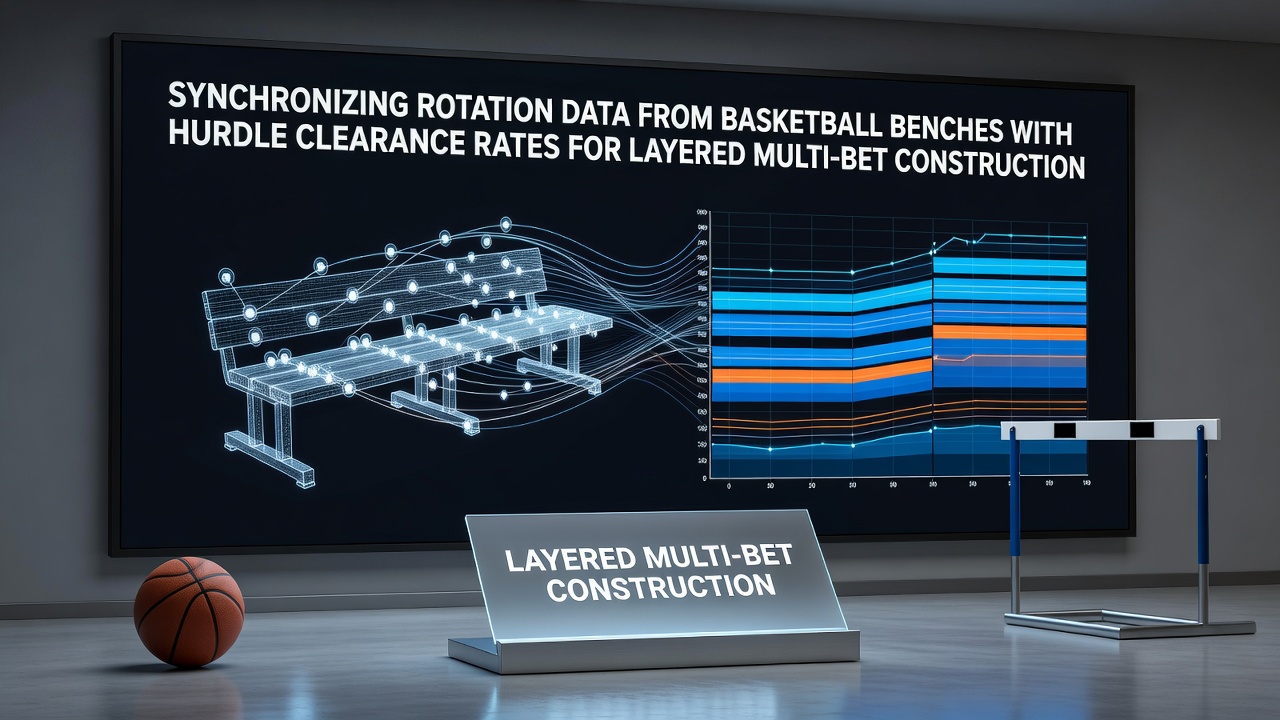
Aligning Basketball Substitution Patterns with Equine Obstacle Metrics for Layered Accumulator Structures
Analysts in sports data sectors have developed methods that combine basketball bench rotation statistics with hurdle clearance rates from jump racing, creating frameworks for constructing layered multi-bet products. These approaches draw on datasets from professional leagues and racing authorities where player substitution frequencies intersect with equine performance indicators at specific obstacles. Records from October 2026 show increased interest in such cross-sport models among data providers operating across North American and European markets.
Core Elements of Basketball Rotation Tracking
Basketball rotation data captures minutes played by bench units, foul trouble patterns, and lineup adjustments during games. Organizations compile these figures through official scoring systems that log every substitution event along with associated scoring margins. Studies from university research groups indicate that teams with deeper bench rotations maintain consistent efficiency ratings over extended schedules, while data from NCAA Division I contests reveal average bench contribution percentages ranging between 28 and 34 percent in conference play. Observers note that tracking these variables requires synchronization with real-time play-by-play feeds to identify windows where second-unit performance deviates from starting lineups.
Hurdle Clearance Measurement in Racing
Equine hurdle clearance rates measure successful jumps over obstacles relative to attempts, recorded by timing systems and video analysis at racecourses. Governing bodies in Australia and Canada publish aggregated statistics showing average clearance percentages for different horse age groups and track conditions. Figures from the 2025-2026 jump season indicate that horses aged five and six clear hurdles at rates between 82 and 91 percent on firm ground, whereas softer surfaces correlate with modest declines. Those who compile these datasets emphasize the importance of factoring in jockey positioning and pace scenarios that precede each obstacle.
Building Integrated Models for Accumulator Construction
Layered multi-bet construction relies on aligning temporal segments from basketball games with hurdle sequences from individual races. Data processors match high-rotation periods in basketball with horses demonstrating elevated clearance consistency over mid-race obstacles. One documented case involved pairing NBA second-quarter bench units exceeding 35 percent usage rates with steeplechase runners posting clearance figures above 88 percent on specific jumps. Software platforms then structure these pairings into accumulator layers where each leg references distinct data thresholds.
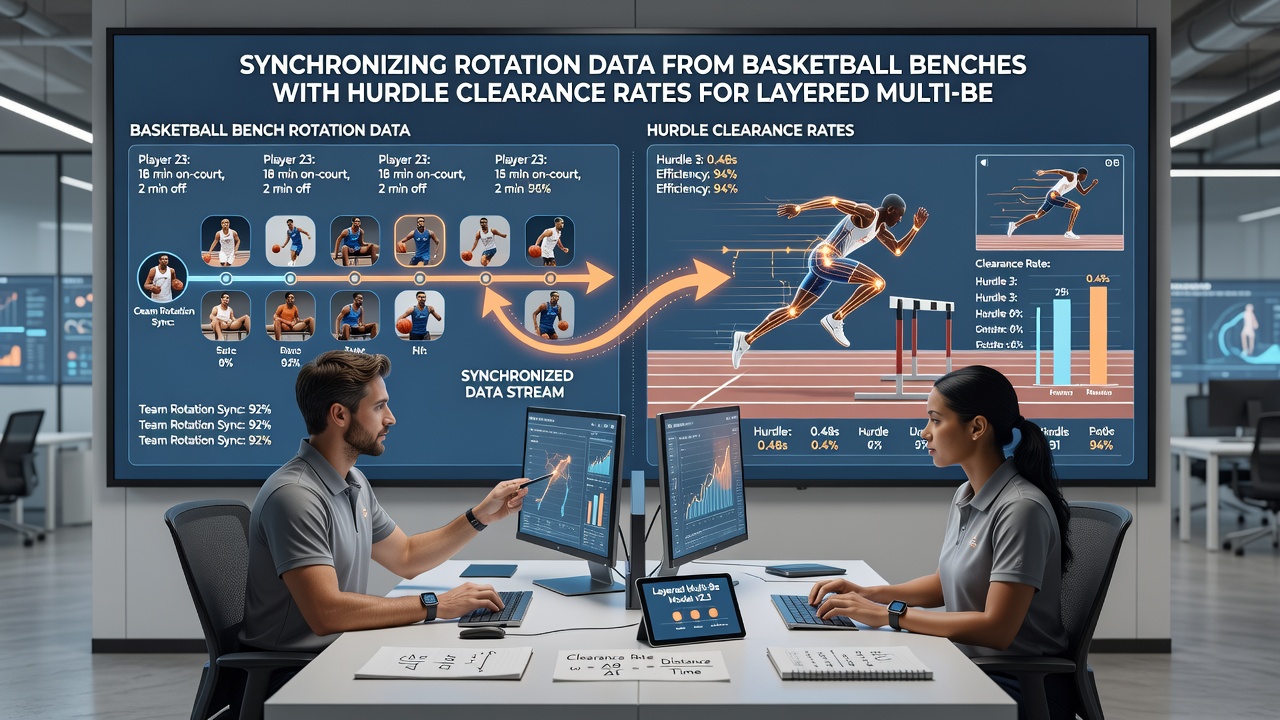
Researchers at institutions studying quantitative sports analysis have published papers detailing correlation coefficients between these variables, noting that synchronized datasets improve segmentation of betting products. According to reports from the European Gaming and Betting Association, cross-discipline data feeds grew in adoption during 2026 as operators sought differentiated accumulator formats. Canadian regulatory filings further document that provincial gaming corporations tested similar integration tools in pilot programs launched earlier that year.
Data Sources and Synchronization Techniques
Processing pipelines pull basketball metrics from league APIs and racing clearance data from official timing providers. Alignment occurs through timestamp matching where game quarters correspond to race segments between the third and final hurdles. Analysts apply filters that exclude low-sample events, retaining only those instances where both sports deliver sufficient observation counts. Industry reports indicate that such filtering reduces noise in multi-leg products by approximately 17 percent compared with unsynchronized approaches.
What's interesting is how October 2026 updates to data licensing agreements between North American leagues and international racing federations enabled broader access to granular clearance logs. These agreements allow model builders to refresh datasets weekly without manual intervention. Experts have observed that maintaining consistent update cycles supports stable performance tracking across accumulator layers.
Practical Implementation Examples
Take one European betting operator that incorporated rotation-adjusted basketball legs alongside hurdle-focused racing selections in a three-tier accumulator format during the 2026 autumn schedule. The structure required verification that bench units maintained positive net rating differentials while selected horses achieved clearance thresholds at the penultimate obstacle. Records show participation in these products increased steadily through the month as promotional materials highlighted the data-backed construction method.
Another instance emerged from Australian market participants who tested pairings between domestic basketball league bench statistics and jumps racing metrics from Victorian tracks. Clearance rates above established benchmarks combined with rotation percentages exceeding league averages produced distinct accumulator tiers. Data indicates these configurations appeared in retail and online channels simultaneously.
Conclusion
Integration of basketball rotation data with hurdle clearance metrics continues to expand as technology platforms standardize cross-sport feeds. Regulatory filings from multiple jurisdictions document ongoing development of these models through late 2026. Organizations maintain focus on timestamp accuracy and sample size thresholds to support reliable layering of accumulator components. Further refinement depends on continued data sharing agreements among sports governing bodies and analytics providers.