Betfred Announces Closure of 132 High Street Shops and Over 600 Job Cuts
Eden Albrecht · Aug 6, 2026

Betfred Announces Closure of 132 High Street Shops and Over 600 Job Cuts
Betfred revealed plans in August 2026 to close 132 high-street betting shops, representing roughly 10 percent of its total estate, while cutting more than 600 positions across those locations. The company cited rising taxes including increases to Remote Gaming Duty, higher employer National Insurance contributions, and broader economic pressures that rendered multiple sites unprofitable. These factors combined to push operating costs beyond sustainable levels for the affected outlets according to the operator's statement.
The decision marks a significant contraction for one of Britain's longstanding bookmakers, and industry observers point to the timing as a direct response to recent fiscal policy changes that have affected the regulated betting sector. Company representatives explained that the closures would occur over the coming months, with support packages offered to impacted staff including redundancy payments and outplacement assistance where applicable.
Details Behind the Announcement
Betfred's estate spans hundreds of high-street locations nationwide, yet the selected sites for closure share common characteristics such as lower footfall and higher relative costs tied to property and staffing. Data from the company shows that these venues generated insufficient revenue to cover the combined burden of increased duties and payroll expenses that took effect earlier in the year. The closures will reduce the physical presence of regulated betting options in several communities while shifting more activity toward online platforms.
Industry Group Response
The Betting and Gaming Council described the move as clear evidence of how recent government tax rises are affecting the regulated betting industry. According to the organization, further closures and job losses remain likely unless adjustments occur, and reduced high-street visibility could accelerate growth in the unregulated black market. The council highlighted that operators face simultaneous pressures from multiple tax measures that were implemented without corresponding relief for physical retail operations.
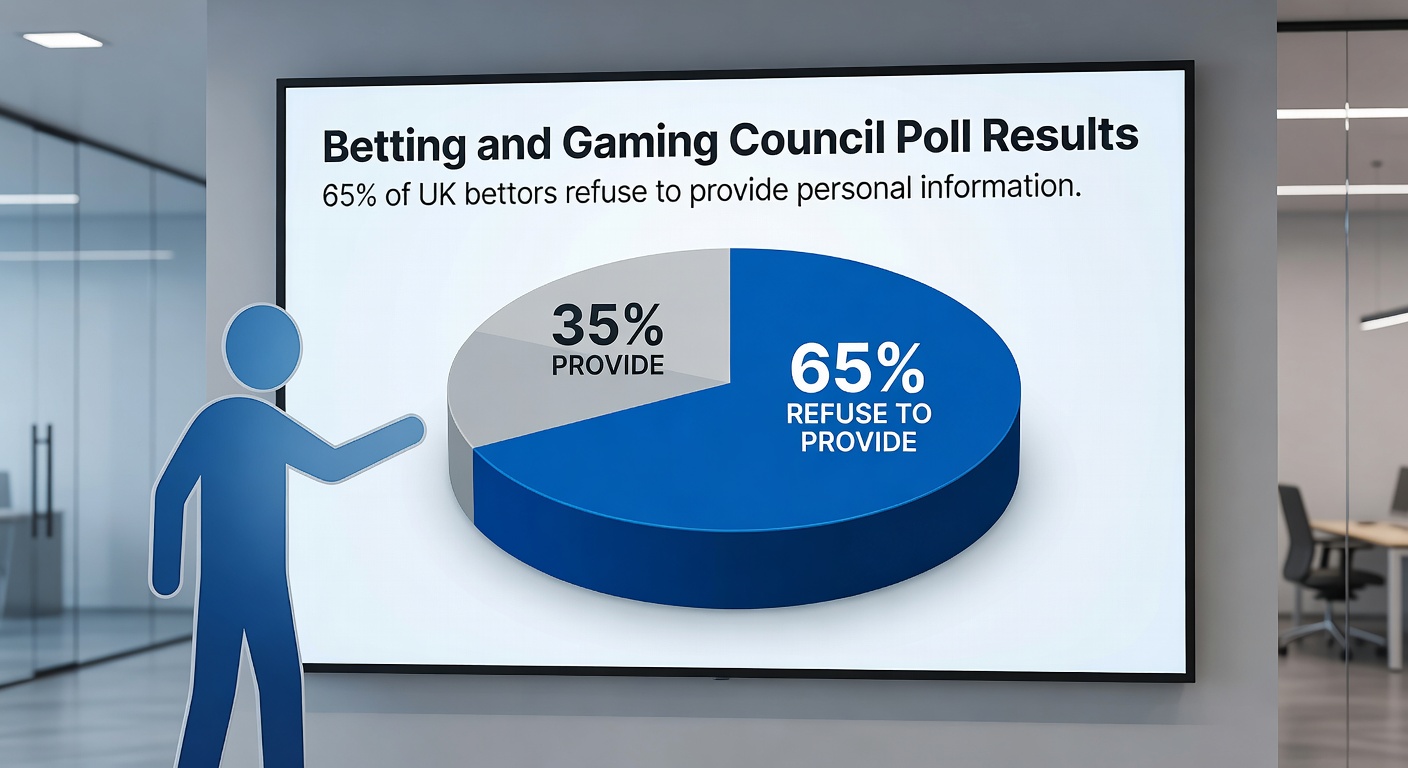
Those who've studied similar industry shifts note that high-street bookmakers have long served as community hubs for in-person wagering, yet the current cost environment favors digital channels that carry different tax structures. The council's statement referenced patterns seen in prior years when tax adjustments led to store rationalization across multiple operators, and it warned that continued pressure could shrink the overall footprint of licensed betting shops even further.
Economic Context and Tax Factors
Employer National Insurance rises added directly to payroll expenses for Betfred and peer companies, while Remote Gaming Duty adjustments impacted the broader revenue model even for retail-focused operators that maintain substantial online arms. Economic pressures including inflation in property costs and energy bills compounded these issues, making marginal locations especially vulnerable. Figures released by the company indicate that the combined effect exceeded the capacity of certain sites to remain viable without significant operational changes.
Observers note that the announcement aligns with wider trends in the UK betting market where physical retail has faced headwinds from both regulatory and fiscal developments. The closures will proceed in phases, allowing time for customer transition to nearby remaining Betfred shops or to the company's established online services. Company documentation emphasizes that the remaining estate will continue to operate under standard hours with full product offerings intact.
Implications for Regulated Betting Sector
Industry analysts tracking employment data observe that job reductions of this scale affect not only direct staff but also supply chains and local economies dependent on foot traffic from betting shops. The Betting and Gaming Council has connected these outcomes to policy decisions that increase the cost base for licensed operators while leaving unregulated alternatives untouched. Data shared by the group shows previous instances where tax hikes correlated with accelerated consolidation in the high-street segment.
Betfred confirmed that affected employees would receive statutory redundancy entitlements plus additional support measures, and the company expressed regret over the necessity of the reductions. The move leaves the operator with a leaner physical network focused on higher-performing locations, while digital operations absorb a larger share of overall activity. Those monitoring market developments expect similar announcements from other major chains if cost pressures persist through the remainder of 2026.
Conclusion
The Betfred closures represent a measurable response to the intersection of tax policy changes and operating economics in the UK betting industry during August 2026. The company's action and the subsequent statements from the Betting and Gaming Council provide concrete examples of how fiscal measures translate into workforce and retail adjustments. Further monitoring of employment figures and store numbers across the sector will clarify the longer-term effects of these developments on both regulated operators and consumer access patterns.