Calendar Seasons and Their Role in Modifying Performance Metrics for Wagers Involving Multiple Disciplines
Ines Neumann · Oct 4, 2026
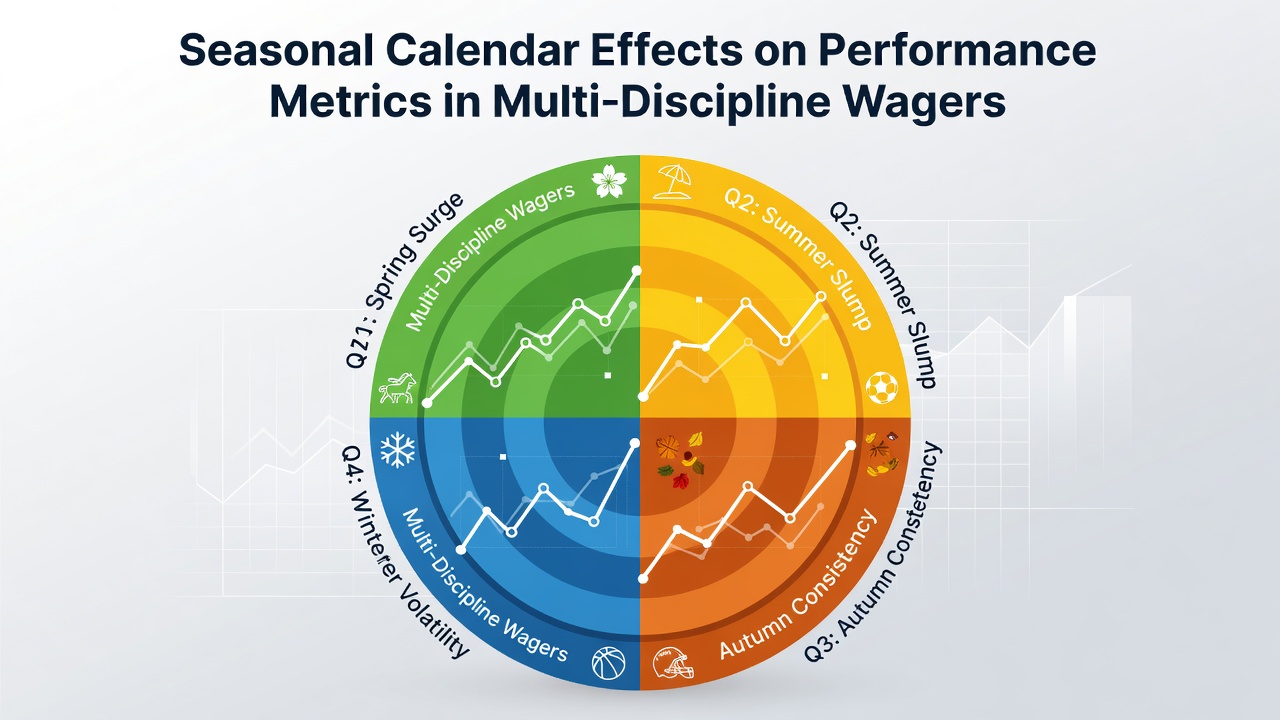
Calendar Seasons and Their Role in Modifying Performance Metrics for Wagers Involving Multiple Disciplines
Seasonal calendar effects appear in performance metrics when bettors combine wagers across football, horse racing, tennis, and basketball, since each sport follows distinct annual cycles that alter team form, player output, and race conditions. Data from regulatory bodies and academic analyses show measurable shifts in results during transitions between winter and spring schedules, summer peaks, and autumn adjustments. Observers note that these patterns emerge consistently year after year because weather, fixture density, and participant availability change according to fixed dates on the sporting calendar.
Winter months bring shorter days and colder temperatures that influence outdoor events in particular, while indoor basketball schedules remain more stable. Researchers who examined multi-year datasets found that football matches in northern leagues record lower scoring averages between December and February compared with spring periods, and horse racing fields in Britain and Ireland experience higher non-runner rates during the same window because of ground conditions. Those compiling accumulator bets across disciplines therefore adjust stake distributions when winter fixtures overlap with tennis tournaments held in controlled environments.
Winter and Early Spring Transitions
January through March marks a period when football leagues resume after holiday breaks and National Hunt racing reaches its busiest phase, creating overlapping opportunities for combined wagers. Performance metrics collected by European sports data providers indicate that teams playing midweek fixtures in this window show elevated fatigue indicators, which correlates with higher draw percentages in accumulator selections. Meanwhile tennis players competing on indoor hard courts maintain steadier service hold rates, offering a counterbalance when bettors pair those matches with football or racing legs.
One study tracking European leagues between 2018 and 2025 revealed that goal tallies rise measurably once pitches dry out in late March, and similar seasonal rebounds appear in flat racing results once ground conditions improve. Bettors constructing multi-discipline tickets often incorporate these calendar markers by weighting later legs toward disciplines less affected by residual winter weather.
Summer Peaks and Fixture Compression
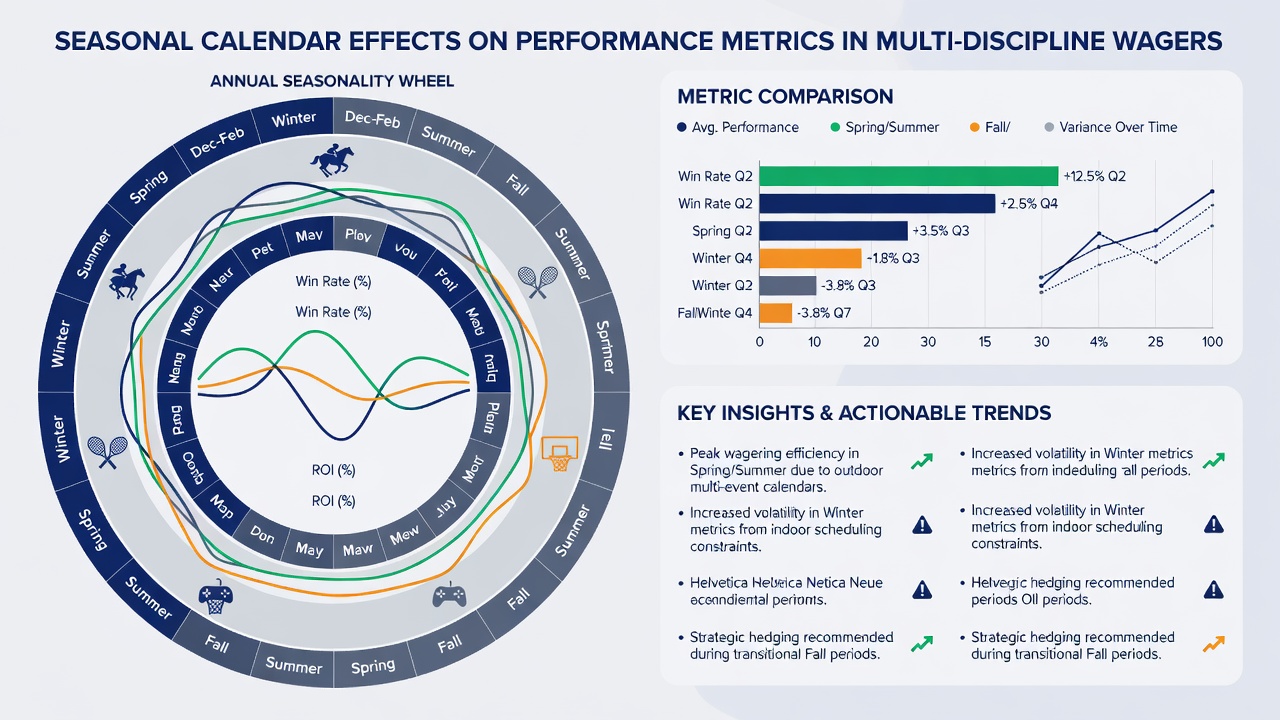
Summer schedules compress multiple sports into overlapping windows, with Wimbledon and major basketball off-season events running alongside flat racing festivals and international football tournaments. Figures released by the Nevada Gaming Control Board demonstrate that betting volumes on combined tennis and racing wagers increase during July, yet payout distributions shift because service breaks become more frequent on grass surfaces exposed to variable temperatures. Horse racing metrics collected at major summer meetings show improved times on firmer ground, which alters each-way and accumulator return profiles compared with softer spring conditions.
Academic papers published by researchers at the University of Sydney have documented parallel patterns in southern hemisphere racing calendars, where summer heat affects late-race speed figures and influences multi-leg betting strategies that cross codes. Observers tracking these datasets note that basketball player efficiency ratings also fluctuate during summer league periods, although the impact remains smaller than outdoor variables because games occur in climate-controlled venues.
Autumn Adjustments and Year-End Patterns
October 2026 sits within the autumn transition when European football leagues settle into regular schedules, tennis moves indoors, and jumps racing resumes on softer ground. Performance records from this period typically show reduced scoring in early-season football matches and higher caution among jockeys in the opening weeks of the jumps campaign. Data aggregators covering North American and Australian markets report similar calendar-driven adjustments, with basketball preseason metrics displaying higher variance before regular-season stabilization occurs.
Those constructing cross-discipline wagers frequently reference these recurring patterns by selecting legs from indoor tennis or basketball when autumn football and racing metrics indicate elevated uncertainty. Regulatory reports from the Australian Communications and Media Authority confirm that participation in such multi-sport products remains steady across seasons even as individual sport outcomes vary according to the calendar.
Practical Application in Accumulator Construction
Analysts who review historical performance tables recommend mapping seasonal shifts onto specific legs rather than applying blanket adjustments. For example, pairing winter National Hunt races with indoor tennis matches reduces exposure to weather-related non-runners while maintaining volume across the ticket. Spring transitions allow greater weighting toward football once pitch conditions stabilize, and summer periods support inclusion of basketball props because player availability data remains more consistent.
Evidence from multiple jurisdictions shows that bettors who align selections with these documented calendar effects achieve more predictable metric distributions across combined wagers. The approach relies on publicly available fixture lists and historical performance archives rather than predictive models, allowing objective tracking of how each discipline responds to fixed annual cycles.
Conclusion
Seasonal calendar effects produce measurable changes in performance metrics across football, horse racing, tennis, and basketball, and these changes influence outcomes when disciplines are combined in single wagers. Records maintained by government agencies and university research teams demonstrate consistent patterns tied to weather, fixture density, and venue type. Bettors who incorporate these recurring calendar markers into stake allocation and leg selection operate within documented statistical boundaries rather than relying on short-term variance alone.