Fresh Insights Surface as Third Gambling Survey for Great Britain Charts Shifting Consumer Patterns
Rafael Baumann · Aug 4, 2026

Fresh Insights Surface as Third Gambling Survey for Great Britain Charts Shifting Consumer Patterns
The UK Gambling Commission has released its third annual Gambling Survey for Great Britain, delivering fresh statistics on how people across the country engage with betting and gaming activities. This regulatory document compiles responses that track participation rates alongside behavioural shifts and emerging trends within an industry that continues to adapt to new rules and technologies. Observers note that the survey arrives at a moment when operators face evolving compliance standards while consumers navigate an expanding range of online and retail options.
Survey Scope and Methodology
Data collection for the Gambling Survey for Great Britain draws from a broad sample of adults who report their experiences over defined periods, allowing researchers to compare year-on-year changes in frequency, spend, and preferred formats. The third edition expands on earlier iterations by incorporating additional questions about digital payment methods and in-play features that have grown in popularity since the previous release. Figures reveal steady interest in both traditional land-based venues and remote platforms, though the balance between these channels shows measurable movement from one annual report to the next.
Those who analysed prior waves of the same survey recognise that consistent questioning enables direct comparisons across multiple years, which in turn helps regulators assess whether policy adjustments produce the intended effects on consumer behaviour. The current report maintains this longitudinal approach while adding context around seasonal variations and demographic breakdowns that highlight differences by age group and region.
Participation Levels and Activity Breakdowns
Participation data indicates that a substantial portion of adults in Great Britain have engaged in at least one form of gambling within the past twelve months, with lotteries remaining the most widely reported activity followed by scratchcards and sports betting. Online slots and casino-style games register notable uptake among younger cohorts, whereas horse racing and football accumulators continue to attract a broad cross-section of participants. The survey records these patterns without assigning value judgments, simply documenting where activity concentrates and how volume distributes across product categories.
Regional variations appear in the results, with higher engagement levels reported in certain urban centres compared with rural areas, although the overall national picture remains relatively stable when measured against the second annual edition. Researchers tracked changes in session length and frequency, noting that some users report shorter but more frequent interactions through mobile applications while others maintain longer visits to physical betting shops.
Behavioural Trends and Emerging Patterns
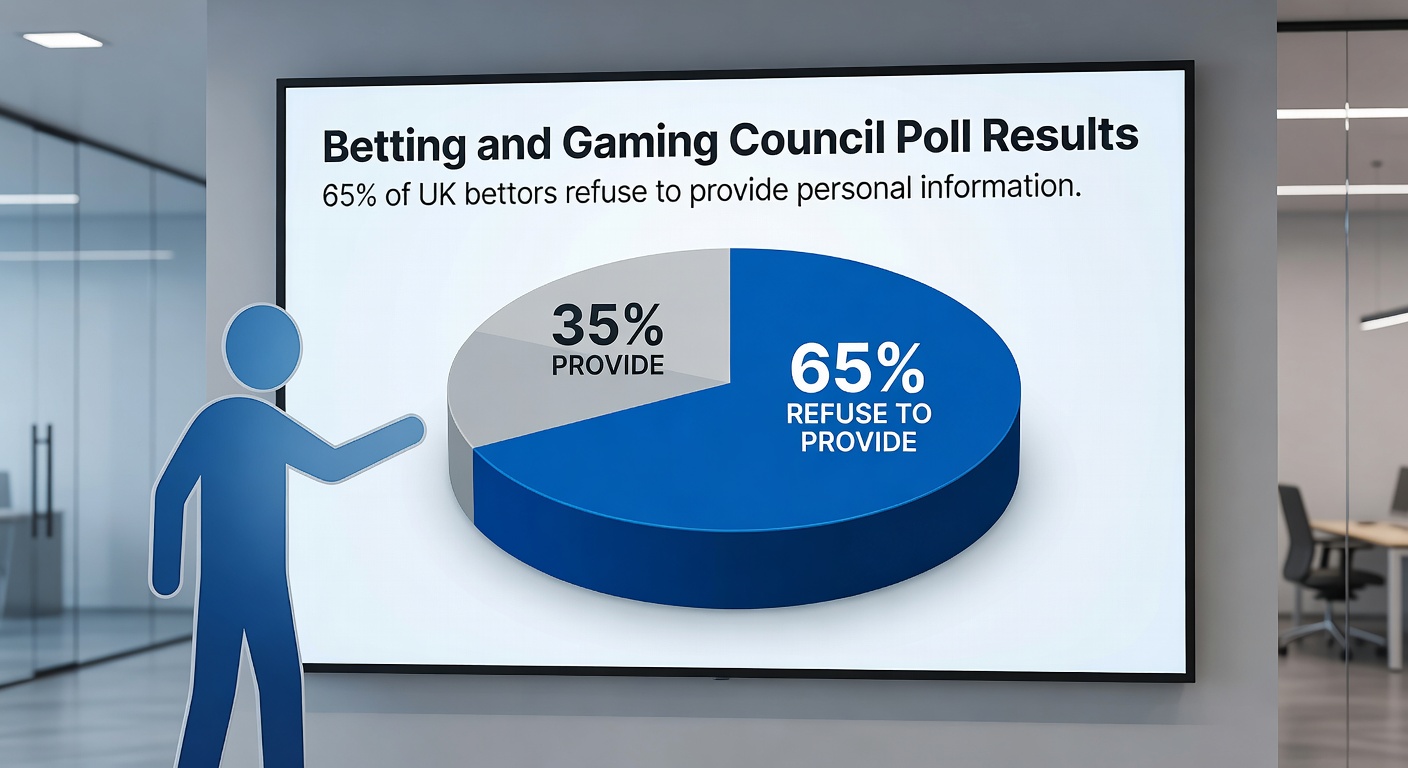
Behavioural indicators within the third annual report highlight increased use of responsible gambling tools such as deposit limits and reality checks, particularly among those who play regularly. The data shows that a growing number of respondents have set personal boundaries, and some report adjusting their activity after receiving tailored messages from operators. Trends also point to greater awareness of account verification processes, which have become standard across licensed platforms following recent regulatory updates.
What's interesting is how the survey captures shifts in payment preferences, with many participants moving toward digital wallets and instant bank transfers rather than cash or cards at retail locations. This transition aligns with broader changes in consumer habits outside gambling, yet the report isolates its effects within the sector to help identify any associated risk markers. Observers note that problem gambling prevalence estimates remain consistent with previous waves, providing a baseline for ongoing monitoring efforts by public health bodies and the commission itself.
Industry Context and Regulatory Relevance
The release occurs against a backdrop of ongoing consultations on stake limits, advertising standards, and the integration of new technologies such as artificial intelligence for harm detection. Operators and advocacy groups alike review the survey findings to inform submissions during consultation periods, since the data offers an empirical foundation for arguments about participation elasticity and product appeal. The commission has positioned the annual survey as a core component of its evidence base, linking statistics directly to licensing conditions and enforcement priorities.
According to the official announcement, the third annual Gambling Survey for Great Britain builds on methodological refinements introduced after the initial two editions, improving response rates and reducing certain sampling biases that can affect self-reported data. These adjustments allow for more precise tracking of subpopulations, including those who gamble infrequently or who combine multiple product types within a single session. The resulting dataset supports both macro-level policy evaluation and micro-level operator compliance checks.
Conclusion
The third annual release of the Gambling Survey for Great Britain supplies regulators, researchers, and industry participants with updated benchmarks on participation, behaviours, and trends that define the current landscape. By maintaining a consistent framework while incorporating targeted new questions, the survey enables meaningful comparisons that illuminate gradual shifts rather than abrupt changes. Stakeholders now have access to the latest iteration through the commission's published materials, where the full dataset and accompanying analysis support further examination of how gambling fits into everyday life across Great Britain.